
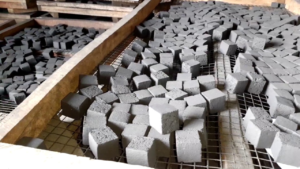
Biomass briquettes are renewable fuels from biomass waste materials such as sawdust, agricultural waste, and municipal solid waste. These materials are compressed under high pressure to form briquettes that can be used as fuel for heating or cooking.
One of the significant advantages of biomass briquettes is their eco-friendliness. They are made from waste materials that would otherwise be disposed of in landfills or burned, which can contribute to air pollution and other environmental problems. Using these waste materials to create biomass briquettes can reduce waste and promote sustainable waste management practices.
Biomass briquettes are also cost-effective. They are often cheaper than traditional fuels such as coal or wood and have a higher energy density, which means they provide more heat per power unit. This makes them an attractive option for people saving money on their heating or cooking expenses.
The Advantage of Support Biomass Briquettes Production
Another advantage of biomass briquettes is their versatility. They can be used for various applications, including heating homes and businesses, cooking food, and even powering industrial processes. This versatility makes them a valuable fuel source for many industries and communities.
One of the challenges of biomass briquette production is the need for specialized equipment and expertise. Briquettes need to be made under high pressure, which requires specialized machinery. In addition, making biomass briquettes involves knowledge of the properties of different biomass materials and how they can be processed to create high-quality briquettes.
Despite these challenges, biomass briquettes have significant potential as a sustainable fuel source. As the world continues to shift towards renewable energy sources, biomass briquettes are likely to play an increasingly important role in meeting our energy needs. Using waste materials to create a valuable fuel source can reduce waste, promote sustainability, and create economic opportunities for communities worldwide.
Nowadays, Biomass Briquettes Production is Growing Positively
The production of biomass briquettes has been steadily progressing in recent years as more and more countries and industries recognize the benefits of this sustainable fuel source. In many developing countries, biomass briquettes are becoming an increasingly popular alternative to traditional fuels such as wood, charcoal, and kerosene.
One of the key drivers of the growth of biomass briquettes production is the increasing demand for renewable energy sources. As countries worldwide seek to reduce carbon emissions and transition to a low-carbon economy, biomass briquettes emerge as key players in the renewable energy landscape.
In addition to their environmental benefits, biomass briquettes are attractive to many communities because they can be produced locally using readily available waste materials. Biomass briquette production can provide economic opportunities for communities that might otherwise struggle to find sustainable livelihoods.
You may like to read the article about Strengthen Soil Pathway using Coir Geotextiles in Roads